
Professional Pot Still Distillation: Mastering the Craft of Artisan Spirits
2026-07-07
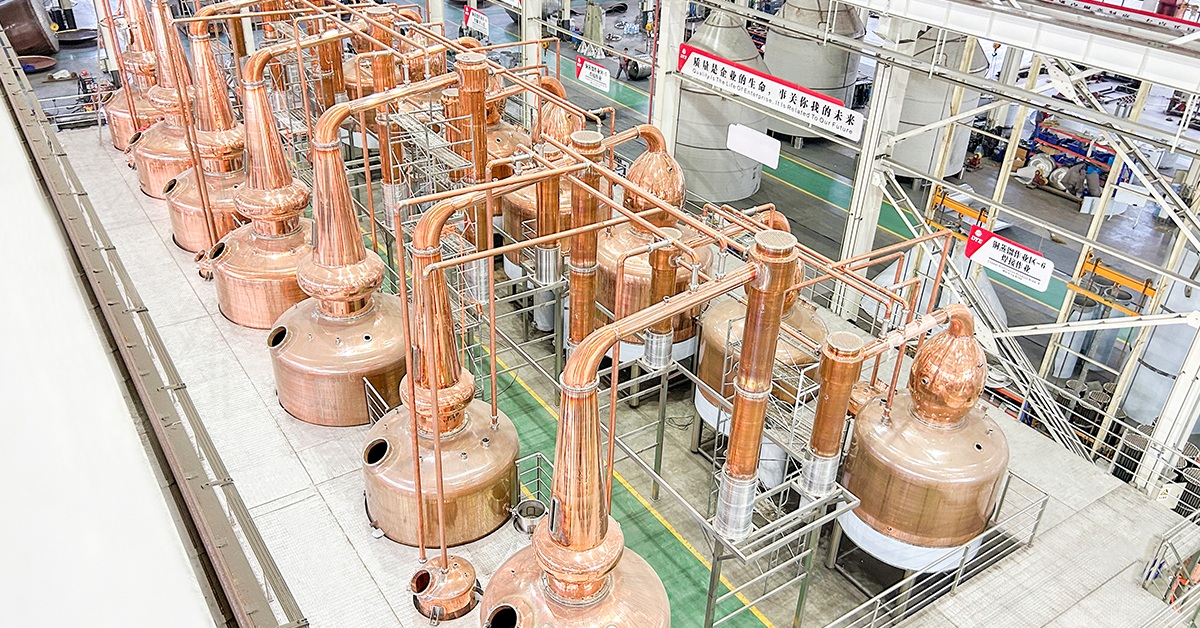
Every great artisan spirit begins with a well-crafted pot still—and the hands that guide it. In 'Professional Pot Still Distillation: Mastering the Craft of Artisan Spirits,' we peel back the layers of tradition and science that shape exceptional whiskey, rum, and brandy. At the core of this craft lies precision equipment, and DYE stills have become the silent partner of discerning distillers who refuse to compromise on flavor. Whether you're chasing a new signature profile or refining time-honored methods, this book invites you into the still house, where every batch is a quiet conversation between copper, flame, and ingenuity.
The Alchemy of Copper: Why Pot Stills Define Craft Spirits
There's a quiet magic that unfolds inside a copper pot still, something that goes beyond mere mechanics. Unlike their towering column still counterparts, pot stills operate with a kind of deliberate inefficiency that paradoxically yields spirits of remarkable character. Each batch distillation is a conversation between the copper and the wash—where sulfur compounds are gently removed, esterification is encouraged, and the resulting spirit retains a fullness that speaks of its origins. It's this one-on-one interaction, where the metal itself acts as both catalyst and filter, that gives craft spirits their soul.
Copper's role isn't just folklore; it's chemistry. The metal binds with unwanted sulfur-bearing molecules, preventing them from carrying over into the final distillate and thus avoiding off-notes that can ruin a spirit. More intriguingly, copper catalyzes reactions that create desirable fruity and floral esters, enriching the aroma and complexity. In the cozy, slow environment of a pot still, these reactions have time to fully develop, something that continuous distillation systems often sacrifice for speed. The result is a spirit that feels alive, layered with nuance that invites savoring rather than simple consumption.
Craft distillers gravitate toward pot stills for the same reasons artists choose certain brushes—they allow for expression. The shape of the still, the angle of the lyne arm, the speed of distillation: each variable becomes a tool for shaping flavor. This hands-on approach fosters a deep connection between maker and spirit, one batch at a time. In a world of mass-produced sameness, pot stills stand as guardians of tradition and taste, reminding us that true alchemy isn't about turning lead into gold, but transforming humble grains and fruit into liquid poetry.
From Grain to Glass: Ingredient Selection for Distinctive Flavor
The journey from grain to glass is a meticulous process where every ingredient leaves its mark on the final spirit. Selecting the right grain—be it barley, corn, rye, or wheat—lays the foundation for a whiskey’s character. Barley brings a malty, biscuity depth, often enhanced by peat smoke for an earthy, medicinal twist. Corn offers a softer, sweeter profile with notes of caramel and vanilla, while rye introduces a spicy, peppery kick that enlivens the palate. Wheat, on the other hand, contributes a gentle, mellow smoothness, allowing delicate flavors to shine. Beyond the grain itself, the mash bill—the precise ratio of grains used—is a distiller’s signature, carefully calibrated to balance sweetness, spice, and body.
Water, yeast, and even the minutiae of fermentation play equally pivotal roles. Water’s mineral content can subtly alter the spirit’s mouthfeel and flavor extraction, with limestone-rich sources prized for their purity and ability to enhance fermentation. Yeast strains are the unsung heroes, each releasing its own bouquet of esters and phenols—fruity, floral, or funky notes that distinguish one whiskey from another. The fermentation time and temperature further shape the wash, coaxing out complexities that will later be concentrated through distillation. Every choice, from the variety of barley to the openness of the fermenter, builds a unique flavor fingerprint before the spirit ever touches oak.
This painstaking attention to ingredients ensures that each distillery can craft a spirit that tells a story of its origin. Unlike standardized production, the craft approach embraces variability, celebrating how a single field of rye or a local water source can impart individuality. It’s a reminder that great whiskey begins in the field, not the barrel, and that the most distinctive flavors are often rooted in the simplest elements—chosen with intention and care.
The Art of the Cut: Perfecting Heads, Hearts, and Tails
Every cut tells a story, but the real magic happens in the spaces between perfection and instinct. Heads, hearts, and tails aren't just jargon—they're the invisible architecture that guides a viewer's eye, holding rhythm and emotion in delicate balance. A head cut lands on the first frame of meaning, the instant before a gesture completes or a glance sharpens into intention. It's not about trimming fat; it's about catching the breath just before a word, the fragile moment that makes the sequence feel inevitable.
The heart of the cut is where danger lives. Too soon, and you fracture the mood; too late, and the energy bleeds away. This is the editor's gut—knowing when a look has said enough, when silence needs to lean a little longer into the next shot. Some call it intuition; others, painful trial. Either way, you learn to feel the heartbeat of a scene and honor its natural pause rather than imposing a mechanical break. The best cuts feel like turning a page at exactly the right word.
Then comes the tail—the ghost that lingers after a shot has technically ended. A lingering frame can whisper something the dialogue never could: resignation, hope, a secret glance. But it can also drag a moment into clumsy over-explanation. Tails demand restraint; they're the after-image, the punctuation that elevates a cut from functional to unforgettable. Mastering heads, hearts, and tails isn't a formula—it's learning to trust your eyes when they say, 'Right there.'
Slow Distillation: Unlocking Complexity One Drop at a Time
There’s a quiet patience to slow distillation, a deliberate rhythm that defies modern haste. Each drop that condenses carries not just alcohol but a story shaped by low, steady heat and unhurried vapor trails. Rather than blasting botanicals with aggressive temperatures, this method coaxes out layered aromatics—citrus peels release their oils gently, roots and herbs yield deeper, earthier notes without scorched edges. The result is a spirit where every sip reveals a new facet, a whisper of something intricate that could only emerge from restraint.
In a world obsessed with speed, slow distillation stands as an act of rebellion. The copper stills work through the night, watched over by distillers who know that rushing would flatten the very complexity they seek. It’s in these long, languid separations that esters develop and mingle, creating a bouquet that feels almost three-dimensional. What begins as a simple fermented wash gradually transforms into a liquid tapestry—threads of floral, spice, and fruit woven so tightly that no single element dominates. This isn’t just chemistry; it’s a conversation between time and craft.
Tasting such a spirit is an unfolding experience. At first, there’s a bright, fleeting note that dances on the palate, then a slow bloom of warmth and depth. The finish lingers, revealing hints of caramelized sugars or soft, woody whispers that recall the still’s copper embrace. Drinkers often remark that it feels alive, as if the spirit continues to evolve long after the bottle is opened. That’s the gift of slow distillation—it refuses to be summed up in a single impression, instead inviting you to return and discover something new with every drop.
Aging with Intention: Barrel Choices and Beyond
Most discussions around wood aging stop at the type of barrel, but intentional aging begins long before the spirit ever touches oak. It starts with a clear vision of what the final liquid should express—whether that’s a subtle kiss of vanilla or a bold wave of toasted spice. The cooperage, the toast level, and even the warehouse location are dialed in to serve that profile, not the other way around. When you treat the barrel as a partner rather than just a container, every month of repose becomes a deliberate step toward complexity.
Barrel choice is never a one-size-fits-all decision. Ex-bourbon casks might lend a gentle sweetness and familiar warmth, while a former sherry butt can introduce dried fruit richness and a deeper hue. Yet the real craft lies in blending the contributions of multiple cask types, sometimes finishing a mature spirit in a completely different wood to layer unexpected notes—think a rum-aged rye or a port-influenced single malt. Each barrel brings its own history, and the art is knowing when to let that history speak and when to subtly steer it toward a new narrative.
What happens beyond the barrel is equally crucial. Resting and reduction after dumping can soften sharp edges that the wood missed, while non-chill filtration retains texture that would otherwise be stripped away. Even the bottle and closure contribute: a heavy punt and a tight natural cork preserve the spirit’s integrity for decades. Aging with intention means every step—from grain to glass—is considered, ensuring that the final sip isn’t just mature, but truly complete.
The Distiller’s Intuition: Blending Science and Sensory Mastery
Crafting a spirit that truly stands apart often hinges on a quiet, almost instinctive nudge—a sense that a particular cut of the run will bloom into something memorable, or that a forgotten cask holds an unexpected treasure. This distiller’s intuition isn’t whimsy; it’s the residue of thousands of hours spent immersed in the sights, smells, and sounds of the stillhouse. When science provides a map, intuition reads between the lines, catching the volatile esters that lab analyses may overlook. It’s the ability to taste a new-make spirit and feel its future in a decade’s time, to blend not by rote formula but by a sudden harmony that only the palate recognizes.
The interplay between rigorous measurement and sensory memory forms the backbone of this mastery. A refractometer might confirm sugar levels, but it’s the nose that catches the whisper of overripe fruit signaling a fermentation about to turn. Temperature gauges track the heat, yet the hand hovering over a lyne arm knows when a subtle shift in vapor temperature heralds the arrival of a prized heart fraction. This dance evolves over years, as the distiller archives every failure and triumph into a mental library, building a gut feel that can pivot a recipe from mundane to magical—often in a split-second decision that no flowchart could dictate.
Seasoned distillers often describe their work as a conversation with the process, where listening matters more than speaking. They learn to trust the way a wash sparkles in the light, the viscosity that sticks to a glass, the finish that lingers far beyond the last sip. This sensory mastery resists being fully captured in textbooks; it lives in the hands and nose, refined by trial, error, and an almost meditative repetition. When the science says one thing but the senses sing another, that’s where true artistry distills—bridging the measurable and the felt to create a spirit that’s not just technically flawless, but deeply alive.
FAQ
At its core, pot still distillation is a traditional batch process where a copper pot is heated to vaporize alcohol from a fermented wash, then condense it back into liquid. Unlike continuous column stills that run nonstop and strip away most congeners for a neutral spirit, pot stills retain more flavorful compounds because they're less efficient at separation. You get a spirit with deeper character—think single malt Scotch versus industrial vodka. The craft lies in managing the 'cut points' where the distiller decides what to keep and what to discard, a skill that takes years to refine.
Copper isn't just about looks; it chemically interacts with the spirit. It removes sulfides and other unwanted compounds that can give off rotten egg or vegetal notes, leaving a cleaner, fruitier profile. Plus, it's an excellent heat conductor, which ensures even vaporization. Many distilleries swear by copper for that signature roundness on the palate that you just don't get with stainless steel alone.
Think of a master distiller as both a chef and a conductor. They decide every variable: the grain bill, fermentation time, the speed of the run, and most critically, where to make the heads, hearts, and tails cuts. It's sensory work—tasting and smelling the raw distillate as it flows—not something you can automate entirely. Their palate shapes the final character, so each batch can be subtly different, reflecting their intuition and experience.
You're relying on your senses more than any instrument. Coming off the still, the heads have a sharp, solvent-like punch—think nail polish remover. As that fades and the spirit becomes sweeter, cleaner, and more floral, you've entered the hearts. Tasting is key: a tiny bit on the tongue reveals a smooth, warming mouthfeel without the burn. Timing also depends on the alcohol strength, which gradually drops. With practice, you learn the rhythm of your still.
Absolutely—pot stills are incredibly versatile. Any spirit that benefits from robust flavor relies on them: cognac, Armagnac, rum, even full-bodied artisanal gin. For gin, you might vapor-infuse botanicals in the neck of the still. For rum, pot distillation preserves the funky, fruity esters that make Jamaican rum so distinctive. It's not about the category but the flavor goal.
Rushing the run is a classic error. If you crank the heat too high, you'll get smearing—where the fractions blend into each other, muddying the hearts with headsy or tailsy notes. That's how you end up with a harsh, unbalanced spirit. Another pitfall is not recording enough data: temperatures, times, and yield per cut help you replicate successes. A distiller's log is as important as the still itself.
Conclusion
The heart of artisan spirit-making beats within the pot still, where copper's catalytic dance purifies and shapes the distillate, removing sulfides and encouraging ester formation. This alchemy is just the beginning. Before the first drop falls, grain selection sets the stage; heirloom varieties and careful mashing unlock a tapestry of flavors that industrial production often overlooks. The true craft emerges during the cut—separating heads, hearts, and tails with a precision that marries science and instinct. A distiller learns to read the spirit's evolving character, collecting only the purest, most expressive portion. Slow distillation rewards patience, allowing congeners to emerge gradually, building layers of complexity that rapid processes can only mimic.
Maturation demands equal intentionality. Barrel choice—oak provenance, toasting levels, previous contents—imparts a fingerprint of vanilla, spice, or fruit, but the distiller's role extends beyond mere storage. Monitoring the spirit's evolution, deciding when to blend or bottle, requires sensory mastery honed over years. The final assembly, whether a single-cask expression or a vatted harmony, reveals the distiller's intuition: an ability to balance science with the elusive art of taste, crafting a spirit that speaks of both place and personality.
Contact Us
Contact Person: Ada Xu
Email: [email protected]
Tel/WhatsApp: 0577-86806088
Website: https://www.dayuwz.com/